
Hazardous Waste Management Services
Understanding Hazardous Waste and Its Risks
Hazardous waste management involves handling materials that pose serious threats to human health and the environment.
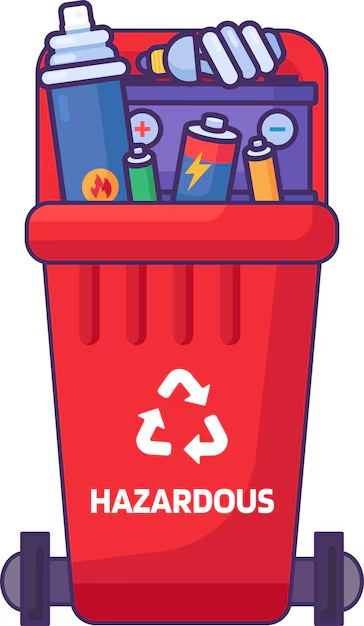
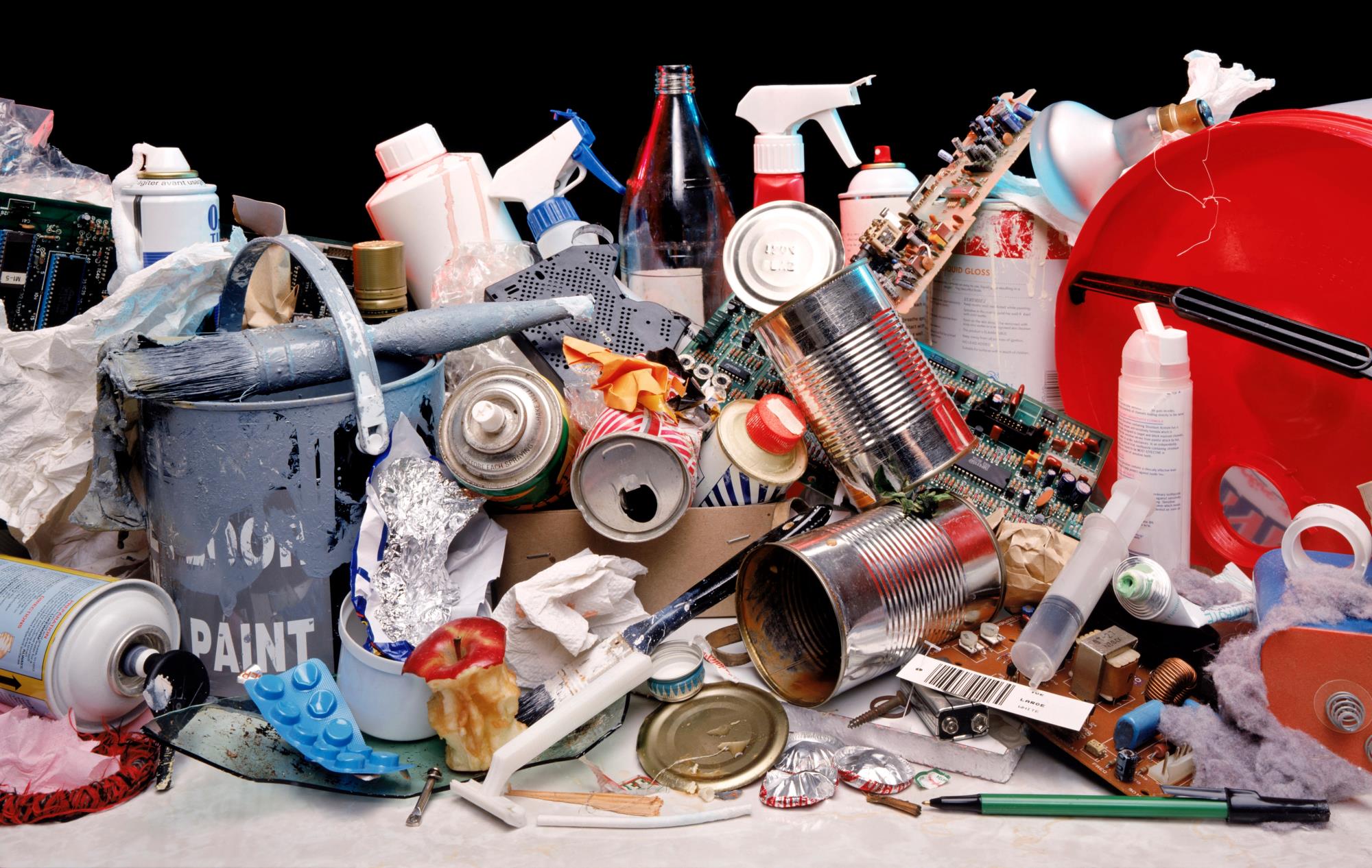
Hazardous waste contains materials that pose a significant risk to human health and the environment. These could contain pharmaceutical trash, batteries, insecticides, old repellent for mosquitoes, industrial chemicals, technological waste, and even liquid paints used for wood, wall paint waste etc.Incorrect handling or disposal of such materials can lead to soil pollution, air pollution and water poisoning, which can threaten both ecosystems and human health.
Best Practices for Hazardous Waste Management
Companies should use hazardous waste management strategies responsible for reducing environmental losses and following legal requirements. A well -structured waste management plan helps to reduce risk and support the company’s stability goals.
Waste Identification & Classification
Properly identifying hazardous waste is the first critical step to ensure it is handled, treated, and disposed of safely. Each waste type—whether it’s expired pesticide stock, leftover paint solvents, or insecticide waste—must be classified based on toxicity, reactivity, flammability, and corrosiveness.
Safe Collection & Storage
To prevent leaks, pollution and spread, hazardous waste is required in an adapted label and a secure closed storage. Liquid chemical waste and other types of waste that meet a time agreement should be placed in accordance with some standards, which may require non-reactive control or temperature controlled environment.
Treatment & Recycling
Some hazardous waste materials can be treated or recycled to reduce the environmental effects. For example, solvent -based paint waste can be used in fuel combination or industrial processes. Some chemicals can also be neutralized through treatment technologies before safe settlement.
Treatment & Recycling
Some hazardous waste materials can be treated or recycled to reduce the environmental effects. For example, solvent -based paint waste can be used in fuel combination or industrial processes. Some chemicals can also be neutralized through treatment technologies before safe settlement.
Compliance with Hazardous Waste Regulations
To avoid penalties and contribute to sustainability, businesses must follow hazardous waste management disposal laws. These often require:
- Adherence to waste handling and disposal guidelines set by environmental agencies such as the [Central Pollution Control Board (CPCB)]
- Regular audits and documentation of hazardous waste management practices
- Partnering with certified hazardous waste management and recycling facilities for compliant waste processing
Bidya Waste Recycling Pvt Ltd provides end-to-end hazardous waste solutions, including waste profiling, documentation, transportation, and environmentally sound treatment or disposal for substances like expired mosquito repellents, insecticides, and wall paints. Our expertise ensures compliance and environmental safety.
Waste Segregation: A Key Step Towards Efficient Recycling
The Importance of Waste Segregation
Proper waste segregation is essential for effective waste management and environmental sustainability. By separating waste into different categories, businesses can improve recycling rates, reduce landfill waste, and ensure safe disposal of hazardous materials like pesticide residue or unused paint stock.
Types of Waste and Their Management
Wet Waste Management
Organic waste, such as food scraps and garden waste, can be composted or converted into biogas. This significantly reduces methane emissions from landfills.
Dry Waste Management
Recyclable materials like paper, plastic, glass, and metals should be collected separately for reprocessing. Proper segregation helps avoid contamination that could render recyclables unusable.
Hazardous vs. Non-Hazardous Waste
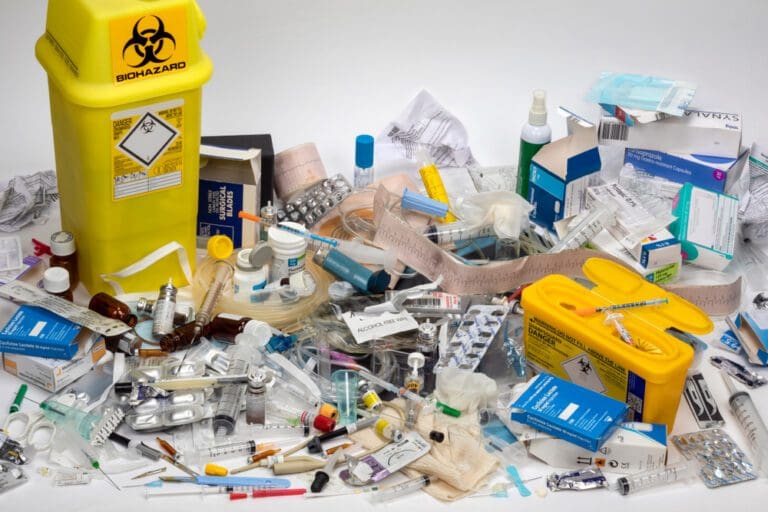
Hazardous waste, including expired mosquito sprays or leftover distemper, requires special handling and disposal. Non-hazardous waste can often be safely recycled or repurposed with minimal risk.
Modern Waste Sorting Technologies
To boost hazardous waste management efficiency,businesses can adopt technologies like:
Automated sorting systems
That use AI to identify and separate materials.
Smart bins
That categorize waste at the source based on sensors
Advanced recycling plants
That can efficiently process mixed waste with minimal manual intervention
By implementing proper waste segregation, businesses can streamline recycling efforts, reduce waste management costs, and contribute to a cleaner, greener future. This approach not only protects the environment but also enhances operational efficiency and corporate responsibility.
At Bidya Waste Recycling Pvt Ltd, we help businesses manage complex waste streams—including liquid paints, expired pesticides, and more—through smart segregation strategies and industry-best hazardous waste treatment solutions.